
The Complete Guide to Ash Trees in Minnesota: Care, EAB, and When to Remove
A comprehensive guide to identifying, treating, and managing ash trees in Minnesota amid the emerald ash borer crisis. Learn when EAB treatment makes sense vs. when removal is the better option.
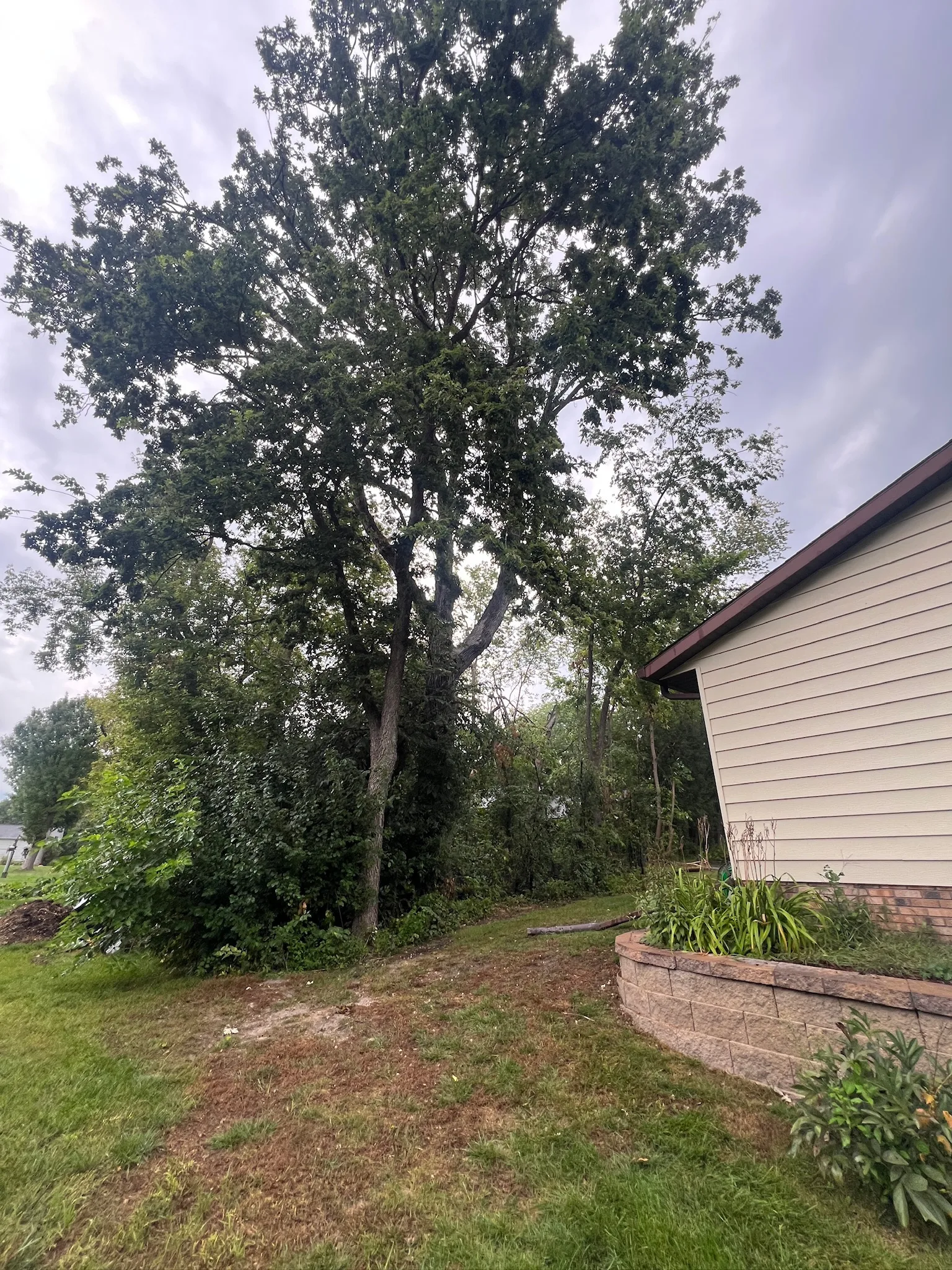
How to Identify Ash Trees on Your Minnesota Property
Before you can protect your ash trees, you need to know what you're looking at. Ash trees are one of the most common species in Minnesota — and unfortunately, one of the most threatened. Here's how to identify them:
Common Ash Species in Minnesota
Minnesota is home to three primary ash species, each with slightly different characteristics and habitats:
The Emerald Ash Borer Crisis in Minnesota
The emerald ash borer (EAB) is an invasive beetle from Asia that has devastated ash tree populations across the eastern United States. It was first confirmed in Minnesota in 2009, and it has since spread to dozens of counties across the state.
Here's the hard truth: virtually all untreated ash trees in areas where EAB is present will eventually die. The beetle's larvae feed beneath the bark, cutting off the tree's ability to transport water and nutrients. An untreated tree typically dies within 3–5 years of infestation.
Signs of EAB infestation include:
Treatment Options and Costs
The good news is that EAB treatment is highly effective when started early. The most proven method is a trunk injection of emamectin benzoate, applied by a certified arborist.
Treatment must be ongoing — there is no one-time cure. Once you stop treating, the tree becomes vulnerable again.
When Does Treatment Make Sense vs. Removal?
Not every ash tree is a good candidate for treatment. Here are the factors we consider when advising homeowners:
Treatment may be the right choice if:
Removal may be the better option if:
What Happens If You Wait Too Long
This is one of the most important things Minnesota homeowners need to understand: dead ash trees become extremely dangerous, extremely fast.
Unlike many other tree species that remain relatively sturdy after death, ash trees become brittle very quickly. Within 1–2 years of dying, ash wood becomes hard and fragile. Branches snap without warning. The root system deteriorates, increasing the risk of the entire tree falling.
For tree removal crews, dead ash trees are significantly more dangerous — and more expensive — to remove than living ones. The wood doesn't behave predictably when cut, and limbs can break apart during the removal process.
The bottom line: If you've decided removal is the right path, don't delay. The longer you wait, the more dangerous and costly the removal becomes.
Removal Considerations for Ash Trees
When it's time to remove an ash tree, here's what to expect:
Take Action on Your Ash Trees
Whether you're considering emerald ash borer treatment or tree removal, the worst decision is no decision. Every year you wait, your options narrow and costs increase.
As an ISA Certified Arborist serving the Twin Cities metro, I can evaluate your ash trees and give you an honest recommendation based on their health, location, and your budget.
Contact Treetec today for a free ash tree assessment.

ISA Certified Arborist and TreeTec’s Sales Manager, Eric combines field and utility experience with a practical, honest approach to helping homeowners make the right tree care decisions.

